🌿 Share this page

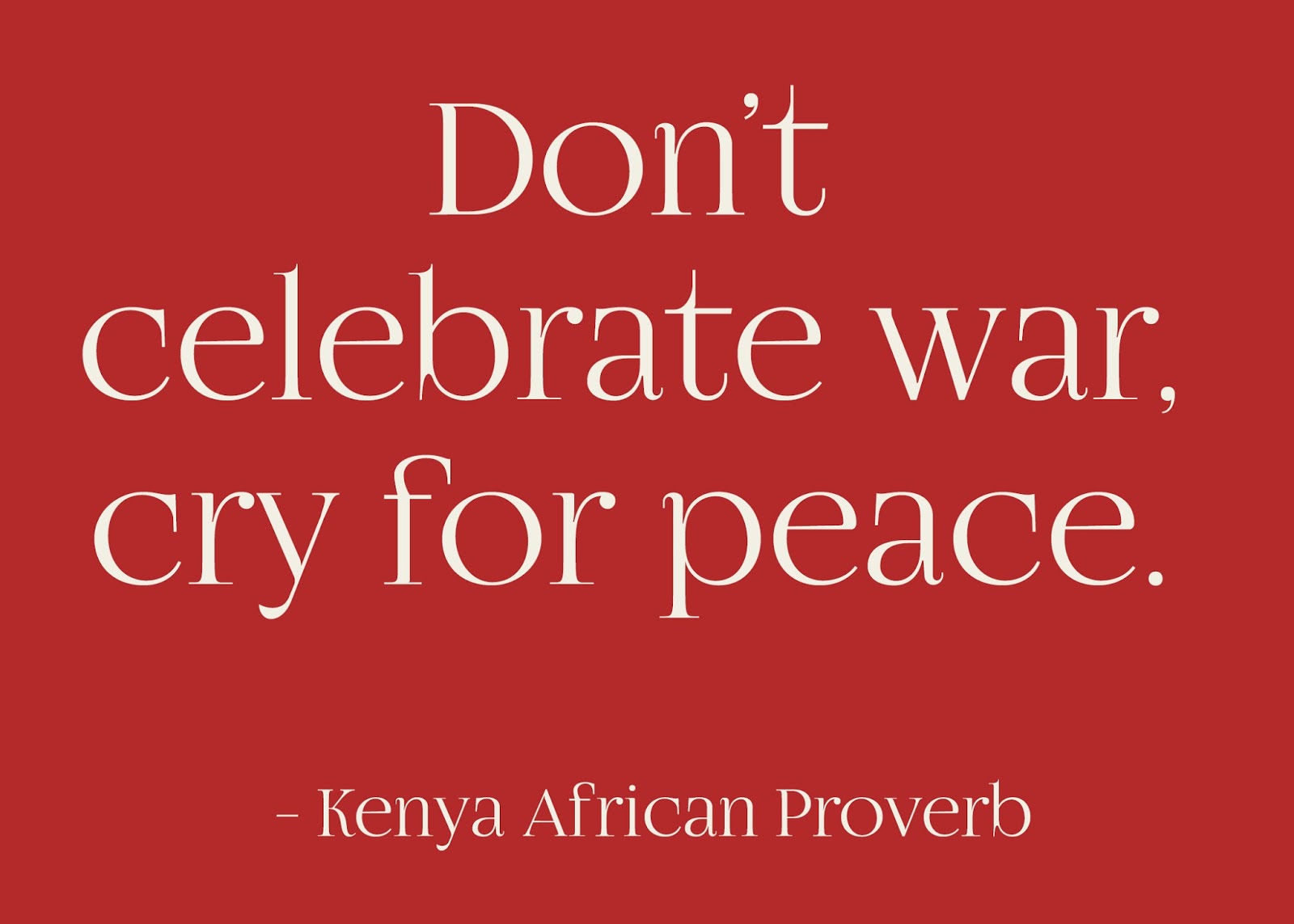
One bowl of fufu can explain a war. One proverb can outsmart a drought.

Welcome to the real Africa— told through food, memory, and truth.

Start Exploring Here

🔵 African Recipes & Cuisine

Dive into flavors from Jollof to fufu—recipes, science, and stories that feed body and soul.

Explore Recipes →

🔵 African Proverbs & Wisdom

Timeless sayings on love, resilience, and leadership—ancient guides for modern life.

Discover Wisdom →

🔵 African Folktales & Storytelling

Oral legends and tales that whisper ancestral secrets and spark imagination.

Read Stories →

🔵African Plants & Healing

From baobab to kola nuts—sacred flora for medicine, memory, and sustenance.

Discover Plants →

🔵 African Animals in Culture

Big Five to folklore beasts—wildlife as symbols, food, and spiritual kin.

Meet Wildlife →

🔵 African History & Heritage

Journey through Africa's rich historical tapestry, from ancient civilizations to modern nations.

Explore History →
Photo of Ivy, author of The African Gourmet

About the Author

A Legacy Resource, Recognized Worldwide

For 19 years, The African Gourmet has preserved Africa's stories is currently selected for expert consideration by the Library of Congress Web Archives, the world's premier guardian of cultural heritage.

Trusted by: WikipediaEmory University African StudiesUniversity of KansasUniversity of KwaZulu-NatalMDPI Scholarly Journals.
Explore our archived collections → DOI: 10.5281/zenodo.17329200

View citations →

Recipes as Revolution

When food becomes protest and meals carry political meaning

The Walking Dead | Learn All About Voodoo

African Voodoo Zombies and the Walking Dead

Better known as Vodun, Voodoo probably is not what you think it is since African Voodoo is not accurately portrayed in movies, on TV or in books with the walking dead or zombies raining down destruction. African Voodoo is a nature based community centered religion.

The walking dead? Zombies? Animal sacrifice? What do you really know about Voodoo?
Zombies do not have to be dead. 

Benin is the center of voodoo worship in West Africa.

The walking dead? Zombies?  Animal sacrifice? What do you really know about Voodoo? 

What are Voodoo Zombies or the Walking Dead?

A Voodoo worshipper dances at the Temple of Pythons during the annual Voodoo Festival in Ouidah

Zombies do not have to be dead. In African and Caribbean Voodoo cultures, zombies are more mindless servants than the walking dead. Zombies are people who do the mindless bidding of a person and are seemingly possessed by them. Zombies represent a slave to master relationship. However, the concept of the undead zombie has existed through time and across cultures, they reveal who fundamentally we fear we are, and they warn us about the collective choices we are making.

  Humans have historically expressed their social anxieties through references to the dead. Humans focus on zombies because they represent the metaphysical struggle many humans have with the meaning of their own existence and the fear of death. Soulless stares and staggering walks are the typical zombie characteristics but can also explain the condition of the living. Zombies do not have to be dead.

  What is Voodoo in African Religious Culture? Voodoo religion is often practiced alongside Christianity and Islam in West Africa. Voodoo better known as vodun probably is not what you think it is Voodoo is not accurately portrayed in movies, on TV or in books. Voodoo is not devil worship; people who practice Voodoo are not evil spell casting witch doctors.

  Voodoo is not a practice intended to hurt or control others and makes them into zombies; Voodoo is not dark or brutal. Not everyone who practices Voodoo does it in exactly the same way or agrees on exactly the same things.

  Voodoo has no written word; it is a nature based community centered religion that supports and empowers. Voodoo is a religion originating in Africa and is practiced around the world by millions of voodoo practitioners or Voodooists.


Dah Dangbénon's python voodoo temple

Voodoo is practiced differently in different parts of the world, and differs from village to village. Almost all Voodooists believe that there is a visible and an invisible world, and that these worlds are intertwined.

  Death is a transition to the invisible world, so our predecessors are still with us in spirit. Just as there are differences within other faiths, there is great variation within Voodoo beliefs and practices.

  Dangbénon's python voodoo temple an African voodoo priest states "Voodoo is not about using magic spells to curse your enemies," said Dangbénon, whose clan for generations oversee this temple dedicated to pythons. "If you choose to manipulate nature to harm your neighbor, it's not voodoo that harms your neighbor, it is you."

  Benin Voodoo festival, about half the African country of Benin are followers of voodoo. Voodoo religion has tainted voodoo to the point where even the word makes you think of wickedness. Voodoo is as much a part of African heritage as Buddhism is to Asia.

Benin Voodoo fest

Did you know? In the 1990's, Benin's government overturned a decades long ban and recognized voodoo as a celebrated African cultural tradition promoting a national voodoo day, which is celebrated on January 10. 


Together we build awareness that boost harmony, education, and success, below are more links to articles you will find thought provoking.

  1. Historical African Country Name
  2. Top 20 Largest Countries in Africa
  3. How many countries does Africa have?
  4. Roots of Africanized Christianity Spiritual Songs
  5. Paying Money To Tour Slums in Africa
  6. Awesome Kenyan Woman
  7. Land is Not For Women in Sierra Leone

  8. African Kente Cloth Facts
  9. Accra the Ghanaian Capital Ultimate Mall Experience

Chic African Culture and The African Gourmet=
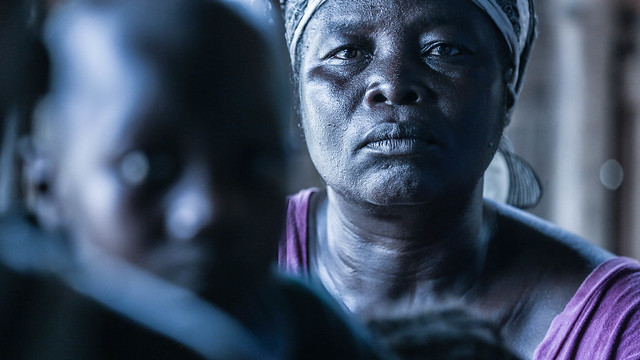
African woman farmer

She Feeds Africa

Before sunrise, after sunset, seven days a week — she grows the food that keeps the continent alive.

60–80 % of Africa’s calories come from her hands.
Yet the land, the credit, and the recognition still belong to someone else.

Read her story →

To every mother of millet and miracles —
thank you.

Africa Worldwide: Top Reads

Read More

African Ancestors and Atlantic Hurricanes: Myth Meets Meteorology

Survival of the Fattest, obese Europeans starving Africa

Top 20 Largest Countries in Africa by Land Area (2025 Update)

African Proverbs for Men About the Wrong Woman in Their Life

Charging Cell Phones in Rural Africa

Ugali vs Fufu — What’s the Difference Between Africa’s Beloved Staples?

Beware of the naked man who offers you clothes African Proverb

African Olympic Power: Top 10 Countries with the Most Gold Medals | The African Gourmet

Perfect South African Apricot Beef Curry Recipe

Usage of Amen and Ashe or Ase and Meaning

Week’s Best African Culture Posts

Kei Apple Recipes: Traditional African Fruit Cooking & Folk Science

African Wrestling Traditions: Dambe, Evala & Senegalese Laamb Explained

Korean vs African Cuisine: Fermentation, Fire & Flavor Bridges - The African Gourmet

Before You Buy Land in Africa: 8 Critical Pitfalls Every Diaspora Member Must Avoid

Kei Apple (Dovyalis caffra): Origins, Uses, Nutrition & Recipes

Ugali vs Fufu — What’s the Difference Between Africa’s Beloved Staples?

African Gourmet FAQ

Archive Inquiries

Why "The African Gourmet" if you're an archive?

The name reflects our origin in 2006 as a culinary anthropology project. Over 18 years, we've evolved into a comprehensive digital archive preserving Africa's cultural narratives. "Gourmet" now signifies our curated approach to cultural preservation—each entry carefully selected and contextualized.

What distinguishes this archive from other cultural resources?

We maintain 18 years of continuous cultural documentation—a living timeline of African expression. Unlike static repositories, our archive connects historical traditions with contemporary developments, showing cultural evolution in real time.

How is content selected for the archive?

Our curation follows archival principles: significance, context, and enduring value. We preserve both foundational cultural elements and timely analyses, ensuring future generations understand Africa's complex cultural landscape.

What geographic scope does the archive cover?

The archive spans all 54 African nations, with particular attention to preserving underrepresented cultural narratives. Our mission is comprehensive cultural preservation across the entire continent.

Can researchers access the full archive?

Yes. As a digital archive, we're committed to accessibility. Our 18-year collection is fully searchable and organized for both public education and academic research.

How does this archive ensure cultural preservation?

Through consistent documentation since 2006, we've created an irreplaceable cultural record. Each entry is contextualized within broader African cultural frameworks, preserving not just content but meaning.